

Hip Dysplasia In Cats: Symptoms, Causes And Treatments
Possible Causes Of Hip Dysplasia In Cats:
Is your cat a Devon Rex, Maine Coon, or Norwegian Forest Cat? He/she may be at higher risk of developing the disorder, as it can be hereditary. The condition begins as a cat is growing, caused when the hip joint develops improperly, and results in a loose fitting and malformed ball-and-socket joint. Hip Dysplasia is aggravated by excessive use of the joint, and it eventually develops into arthritis.
Is your cat a Devon Rex, Maine Coon, or Norwegian Forest Cat? He/she may be at higher risk of developing the disorder, as it can be hereditary. The condition begins as a cat is growing, caused when the hip joint develops improperly, and results in a loose fitting and malformed ball-and-socket joint. Hip Dysplasia is aggravated by excessive use of the joint, and it eventually develops into arthritis.
Possible Cures And/Or Care:
Hip Dysplasia is not curable. If your kitty is an adult, not suffering severe pain, and not experiencing a worsening of the condition, you can take measures at home to make your pet more comfortable. Keep the environment warm and dry, don't let your cat jump or exercise heavily, and dont' let him become overweight (extra weight stresses the hip joints).
As for diagnosing hip dysplasia, visit your vet. An X-ray is required to make a definite diagnosis. A kitten who is still growing definitely should be seen by a vet. In severely lame cats, you may consider joint surgery. Nonsurgical options include giving your cat painkillers whenever his pain becomes severe. Ask your vet about acupunture and gold bead implantation to relieve discomfort. The combined use of nutritional anti-oxidant supplements and glucosamine sulfate and chondroitin sulfate are very helpful in treating the condition and reducing joint pain.
Prevention Of Hip Dysplasia In Cats:
If your kitten is one of the breeds mentioned above, have him X-rayed for the detection of hip dysplasia, thus allowing early treatment if needed. For large cats of all ages, conscientiously maintain normal body weight. Although this will not prevent hip dysplasia, it may prevent a mild case from becoming severe.
Hip Dysplasia is not curable. If your kitty is an adult, not suffering severe pain, and not experiencing a worsening of the condition, you can take measures at home to make your pet more comfortable. Keep the environment warm and dry, don't let your cat jump or exercise heavily, and dont' let him become overweight (extra weight stresses the hip joints).
As for diagnosing hip dysplasia, visit your vet. An X-ray is required to make a definite diagnosis. A kitten who is still growing definitely should be seen by a vet. In severely lame cats, you may consider joint surgery. Nonsurgical options include giving your cat painkillers whenever his pain becomes severe. Ask your vet about acupunture and gold bead implantation to relieve discomfort. The combined use of nutritional anti-oxidant supplements and glucosamine sulfate and chondroitin sulfate are very helpful in treating the condition and reducing joint pain.
Prevention Of Hip Dysplasia In Cats:
If your kitten is one of the breeds mentioned above, have him X-rayed for the detection of hip dysplasia, thus allowing early treatment if needed. For large cats of all ages, conscientiously maintain normal body weight. Although this will not prevent hip dysplasia, it may prevent a mild case from becoming severe.
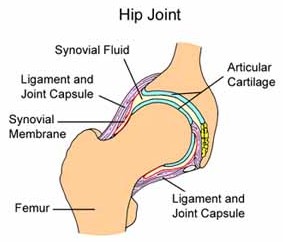
Symptoms of hip dysplasia in your cat may include: Your cat may have a swaying or waddling walk, and/or may appear knock-kneed. Due to his difficulty in moving, your cat may appear to be lazy.
Pet Meds: Dogs | Pet Meds: Cats | Dog Health : By Breed | Cat Health : By Breed | Dog Grooming | Cat Grooming | Pet Top 10's | Pet Food Recipes

Pet Meds: Dogs Pet Meds: Cats Common Dog Health Issues Common Cat Health Issues Dog Grooming Cat Grooming Pet Top 10's
Pet Health:Home
Copyright 2006-2011 PetMedsOnline.Org

Online Store For Cats!
Find everything from basic grooming items and tasty treats, to high tech devices designed for pets!
Find everything from basic grooming items and tasty treats, to high tech devices designed for pets!
Pet Top Lists!
From the friendliest cat breeds to the most intelligent dogs, you'll find it all on our "pet top list" pages!
From the friendliest cat breeds to the most intelligent dogs, you'll find it all on our "pet top list" pages!
