


Blood Anemia In Dogs: Signs, Causes And Treatment
If your dog has too few red blood cells, he or she has a condition known as Amenia. Red blood cells, or erythrocytes, are essential for your dogs survival as they carry oxygen to areas of the body that need it. Often, other diseases or conditions present in the body can cause anemia, such as Heartworms, Tumors, Infections, Inflammation, or stomach ulcers. There are two types of amenia:
Types Of Anemia In Dogs:
Regenerative Anemia: The body loses blood faster than it can be produced, but red blood cells are still formed in the bone marrow.
Non-Regenerative Anemia: The dog is unable to regenerate red blood cells in its bone marrow.
Signs Of Anemia In Your Dog:
Chronic Amenias are slowly progressive. Affected dogs become lethargic, sleep more, and are reluctant to play. Their breathing is shallower than normal, and their heart rate faster. The gums are a dirty, pale pink. Heartworm infestation can cause a gradual weight loss, a persistant cough, and a pot-bellied appearance. Tumors, infections, inflammation, or stomach ulcers can all cause mild bleeding from the nose or in feces, which leads to excessive demands on the bone marrow and spleen to produce new red blood cells.
What To Do If Your Dog Is Anemic:
Consult a vet. In a heartworm area, a vet can test a blood sample from the dog for heartworm larvae. If it is negative, preventative medication can be given during the mosquito season. If positive, the vet can hospitalize the dog for medical or surgical treatment. When there is chronic blood loss from any body opening, a vet can take a blood sample to check the number and condition of the red blood cells in order to determine the type and severity of anemia. Treatment is directed at eliminating the cause of the anemia.
Regenerative Anemia: The body loses blood faster than it can be produced, but red blood cells are still formed in the bone marrow.
Non-Regenerative Anemia: The dog is unable to regenerate red blood cells in its bone marrow.
Signs Of Anemia In Your Dog:
Chronic Amenias are slowly progressive. Affected dogs become lethargic, sleep more, and are reluctant to play. Their breathing is shallower than normal, and their heart rate faster. The gums are a dirty, pale pink. Heartworm infestation can cause a gradual weight loss, a persistant cough, and a pot-bellied appearance. Tumors, infections, inflammation, or stomach ulcers can all cause mild bleeding from the nose or in feces, which leads to excessive demands on the bone marrow and spleen to produce new red blood cells.
What To Do If Your Dog Is Anemic:
Consult a vet. In a heartworm area, a vet can test a blood sample from the dog for heartworm larvae. If it is negative, preventative medication can be given during the mosquito season. If positive, the vet can hospitalize the dog for medical or surgical treatment. When there is chronic blood loss from any body opening, a vet can take a blood sample to check the number and condition of the red blood cells in order to determine the type and severity of anemia. Treatment is directed at eliminating the cause of the anemia.
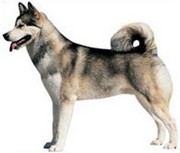
Above: The Alaskan Malamute Can Be Susceptible To Amenia.
Pet Meds: Dogs | Pet Meds: Cats | Dog Health : By Breed | Cat Health : By Breed | Dog Grooming | Cat Grooming | Pet Top 10's | Pet Food Recipes

Pet Meds: Dogs Pet Meds: Cats Common Dog Health Issues Common Cat Health Issues Dog Grooming Cat Grooming Pet Top 10's
Pet Health:Home
Copyright 2006-2011 PetMedsOnline.Org
Online Store For Dogs!
Find everything from basic grooming items and tasty treats, to high tech devices designed for pets!
Find everything from basic grooming items and tasty treats, to high tech devices designed for pets!
Pet Top Lists!
From the friendliest cat breeds to the most intelligent dogs, you'll find it all on our "pet top list" pages!
From the friendliest cat breeds to the most intelligent dogs, you'll find it all on our "pet top list" pages!
