
Treatment Of Feline Viral Rhinotracheitis
Treatment of FVR involves the use of broad spectrum antibiotics to combat secondary infection. The cat's eyes are treated with antibiotics; if the eyes develop a herpes ulcer, special medication is called for. Intensive supportive therapy is also necessary-intravenous fluid therapy, forced feeding, and sometimes blood transfusions as well. This supportive therapy maintains the cat while his body's own defences fight the virus, and without this treatment the cat will certainly die from dehydration and starvation. Even with the most careful nursing, the cat may not survive.
Treatment of FVR involves the use of broad spectrum antibiotics to combat secondary infection. The cat's eyes are treated with antibiotics; if the eyes develop a herpes ulcer, special medication is called for. Intensive supportive therapy is also necessary-intravenous fluid therapy, forced feeding, and sometimes blood transfusions as well. This supportive therapy maintains the cat while his body's own defences fight the virus, and without this treatment the cat will certainly die from dehydration and starvation. Even with the most careful nursing, the cat may not survive.
Prevention Of Feline Viral Rhinotracheitis
If you've ever seen a cat with FVR you'll never hesitate to get your own cat vaccinated; it is a terrible illness that you would never want your cat to go through. The vaccine for FVR is frequently combined with the panleukopenia and calicivirus vaccines and all three are given together, first when the kitten is seven to eight weeks old, and then at three-weekly intervals until 14 to 16 weeks. Older cats should get annual boosters.
If you've ever seen a cat with FVR you'll never hesitate to get your own cat vaccinated; it is a terrible illness that you would never want your cat to go through. The vaccine for FVR is frequently combined with the panleukopenia and calicivirus vaccines and all three are given together, first when the kitten is seven to eight weeks old, and then at three-weekly intervals until 14 to 16 weeks. Older cats should get annual boosters.

Feline Viral Rhinotracheitis: Causes, Treatment And Prevention
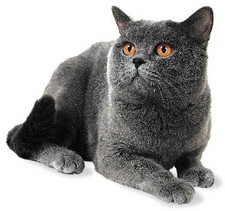
Feline viral rhinotracheitis, or FVR, is probably one of the most serious and contagious respiratory infections a cat can contract. It's caused by a herpes virus that affects the upper respiratory tract, and the virus is transmitted in all the respiratory secretions.
Pet Meds: Dogs | Pet Meds: Cats | Dog Health : By Breed | Cat Health : By Breed | Dog Grooming | Cat Grooming | Pet Top 10's | Pet Food Recipes
Signs And Diagnosis Of Feline Viral Rhinotracheitis
Signs of FVR vary, but the disease usually causes sneezing, coughing, runny eyes and nose, fever, lethargy, heavy drooling, and lack of appetite. Often the eyes are involved, in which case the cat will squint and have a heavy mucous discharge from the eyes. If there's more than one cat in the household, they are all likely to show signs of the disease at the same time. The veterinarian can usually make a diagnosis on the basis of the clinical signs. Laboratory isolation of the virus is possible, but it's time consuming and costly.
Signs of FVR vary, but the disease usually causes sneezing, coughing, runny eyes and nose, fever, lethargy, heavy drooling, and lack of appetite. Often the eyes are involved, in which case the cat will squint and have a heavy mucous discharge from the eyes. If there's more than one cat in the household, they are all likely to show signs of the disease at the same time. The veterinarian can usually make a diagnosis on the basis of the clinical signs. Laboratory isolation of the virus is possible, but it's time consuming and costly.

Pet Meds: Dogs Pet Meds: Cats Common Dog Health Issues Common Cat Health Issues Dog Grooming Cat Grooming Pet Top 10's
Pet Health:Home
Copyright 2006-2011 PetMedsOnline.Org

Online Store For Cats!
Find everything from basic grooming items and tasty treats, to high tech devices designed for pets!
Find everything from basic grooming items and tasty treats, to high tech devices designed for pets!
Pet Top Lists!
From the friendliest cat breeds to the most intelligent dogs, you'll find it all on our "pet top list" pages!
From the friendliest cat breeds to the most intelligent dogs, you'll find it all on our "pet top list" pages!
