

Luxating Patella (Kneecap) In Cats: Symptoms & Treatment
Possible Causes Of Luxating Patella:
Has your cat been in an accident at some point in his life? Many cases of luxating patella can be blamed on past physical trauma. Due to the malformation of the bones forming in the knee joint, the kneecap slips inward out of its normal position in the joint. Depending on the severity of the deformity, the kneecap may slip in and out of place intermittently, or move out of place permanently.
Has your cat been in an accident at some point in his life? Many cases of luxating patella can be blamed on past physical trauma. Due to the malformation of the bones forming in the knee joint, the kneecap slips inward out of its normal position in the joint. Depending on the severity of the deformity, the kneecap may slip in and out of place intermittently, or move out of place permanently.
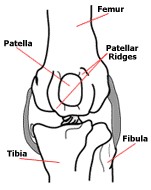
Slipping kneecaps are also congenital in many breeds including the Bengal cat, British Shorthair, Chartreux, Devon Rex, Egyptian Mau, and Turkish Angora.
Treatments For Luxating Patella:
Very mild cases cause only intermittent lameness and do not need treatment, although you may want to take your cat to the vet for a professional diagnosis. In more severe cases, involving serious lameness, your vet can surgically move the kneecap back into place and stabilize it, allowing your cat near-normal movement. To help strengthen the connective tissue surrounding the knee joint and repair injury to the cartilage of the knee, give your cat Vitamin C, chondroitin sulfate, and glucosamine sulfate.
Prevention Of Luxating Patella:
There is no prevention. If you plan to adopt a cat who is one of the breeds listed above, ask a vet to help you choose the individual animal. Having a vet inspect an animal before you decide to keep him can help ensure that you don't unknowingly select a tiny kitten with this problem. To avoid "creating" kittens with this condition, cats with slipping kneecaps should not be allowed to breed.
Very mild cases cause only intermittent lameness and do not need treatment, although you may want to take your cat to the vet for a professional diagnosis. In more severe cases, involving serious lameness, your vet can surgically move the kneecap back into place and stabilize it, allowing your cat near-normal movement. To help strengthen the connective tissue surrounding the knee joint and repair injury to the cartilage of the knee, give your cat Vitamin C, chondroitin sulfate, and glucosamine sulfate.
Prevention Of Luxating Patella:
There is no prevention. If you plan to adopt a cat who is one of the breeds listed above, ask a vet to help you choose the individual animal. Having a vet inspect an animal before you decide to keep him can help ensure that you don't unknowingly select a tiny kitten with this problem. To avoid "creating" kittens with this condition, cats with slipping kneecaps should not be allowed to breed.
What are the symptoms of luxating patella (aka dislocated kneecap) in cats? If your cat suffers from a slipping or dislocated kneecap, you may notice your cat skipping, or frequently lifting one or both of his hind legs. If both legs are affected, your cat will hop with his back rounded like a rabbit. You also may notice a thickening of the affected knee joint(s).
Pet Meds: Dogs | Pet Meds: Cats | Dog Health : By Breed | Cat Health : By Breed | Dog Grooming | Cat Grooming | Pet Top 10's | Pet Food Recipes

Pet Meds: Dogs Pet Meds: Cats Common Dog Health Issues Common Cat Health Issues Dog Grooming Cat Grooming Pet Top 10's
Pet Health:Home
Copyright 2006-2011 PetMedsOnline.Org

Online Store For Cats!
Find everything from basic grooming items and tasty treats, to high tech devices designed for pets!
Find everything from basic grooming items and tasty treats, to high tech devices designed for pets!
Pet Top Lists!
From the friendliest cat breeds to the most intelligent dogs, you'll find it all on our "pet top list" pages!
From the friendliest cat breeds to the most intelligent dogs, you'll find it all on our "pet top list" pages!
